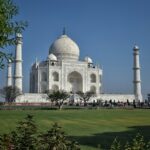
Secure your spot on the world’s leading luxury train tour in India today!
India Tour Package
The Indian Spledour – Maharajas’ Express
7-Day Tour
Arrive Delhi
Quick Info.
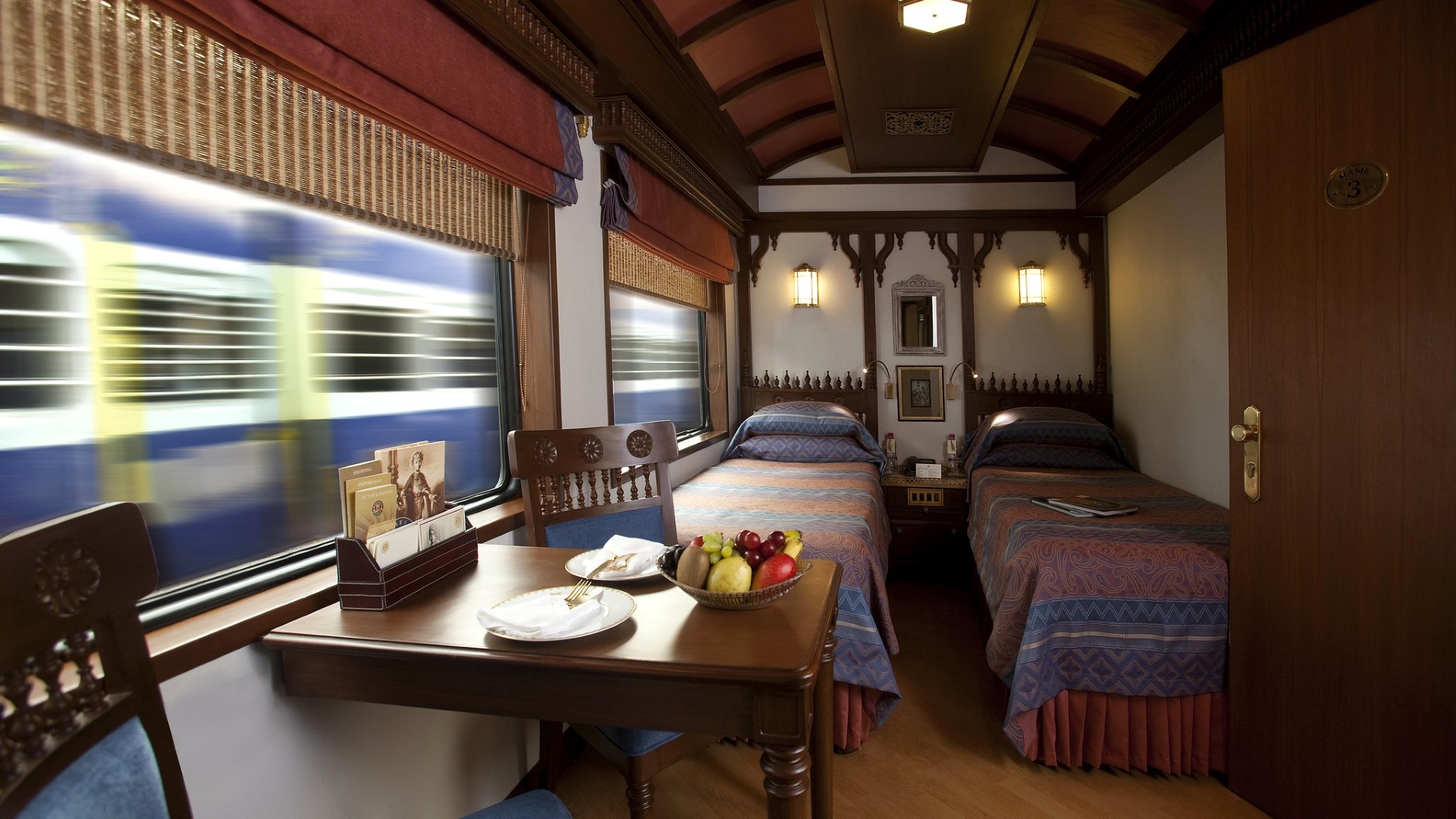
Experience the grandeur of India on the Maharajas’ Express – The Indian Splendour tour. Discover the iconic cities of Delhi, Agra, and Jaipur, as well as the wildlife of Ranthambore and the beautiful palaces of Udaipur and Jodhpur. With 6 nights and 7 days of luxury travel, immerse yourself in the rich culture and history of India on this unforgettable journey.
*Flight tickets, insurance, and personal expenses are excluded.
India Tour Package
Treasures of India – Maharajas’ Express
4-Day Tour
Arrive Delhi
Quick Info.
Discover the luxurious and rich culture of India with the Treasures of India tour on the Maharajas’ Express. Explore Delhi, Agra, Ranthambore, and Jaipur in just 3 nights and 4 days. Immerse yourself in the beauty and history of these iconic destinations with unparalleled comfort and style. Book your journey now and experience the treasures of India like never before.
Get a Free Quote. Share your travel dreams, and we'll craft a personalised itinerary for you!
The quote provided is an estimate based on the information you supply. Final pricing may vary based on availability, changes in travel dates, and additional details.
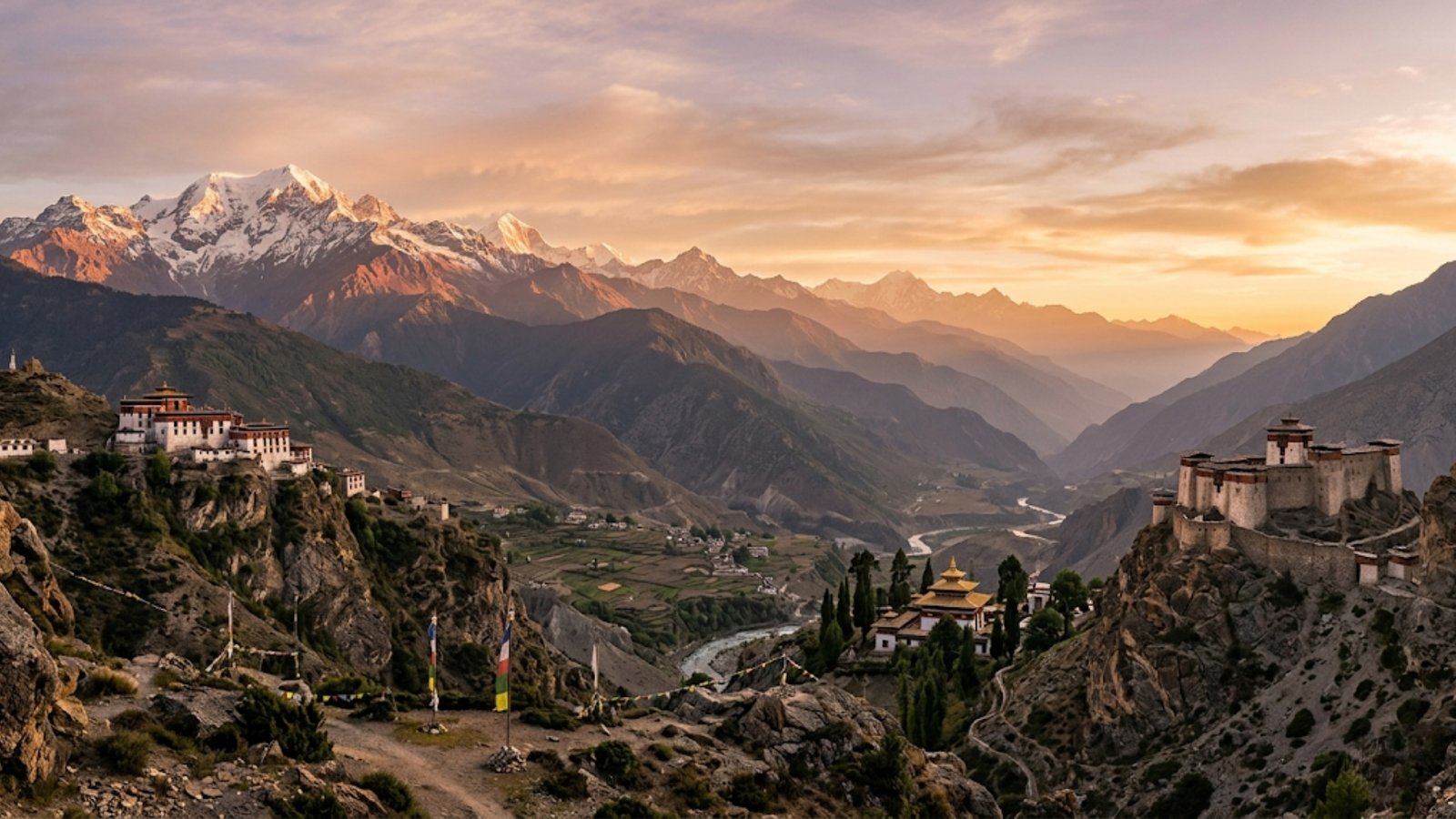
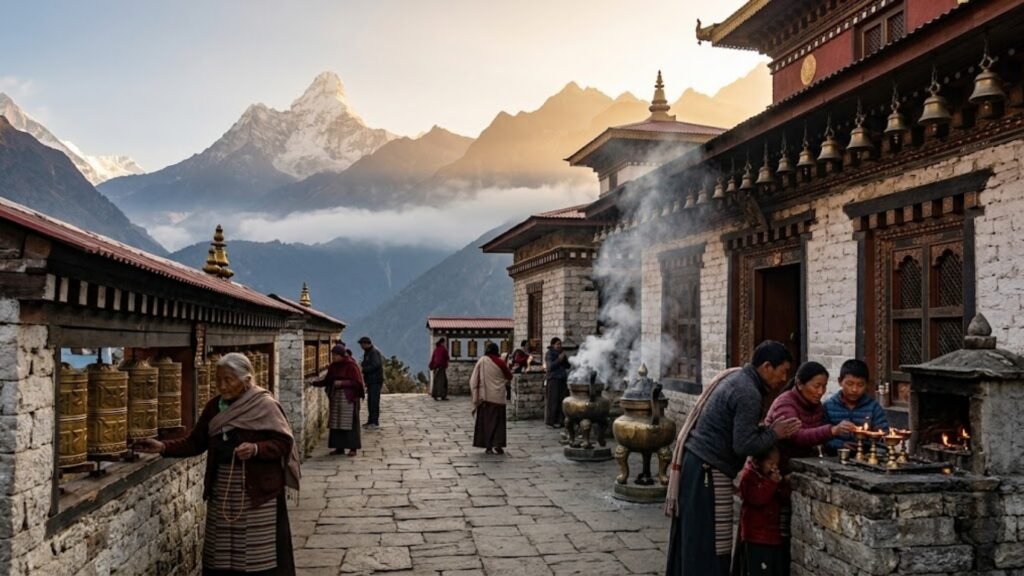
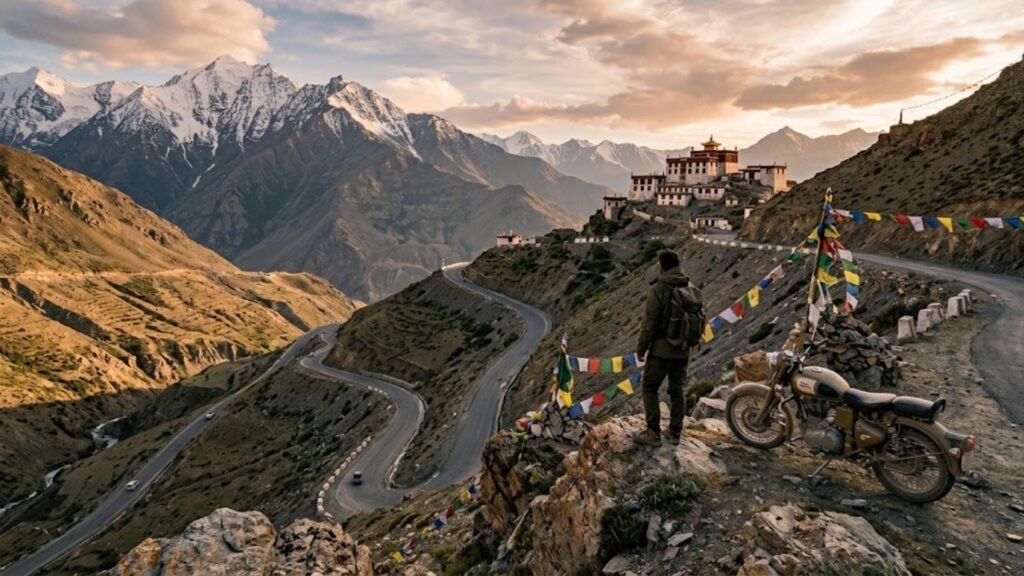
High in the Himalayas, history is not locked behind glass cases. It lives, breathes, and evolves every single day. Across India, Nepal, and Bhutan, ancient monasteries, temples, and forts are not just architectural wonders. They remain active centers of worship, governance, and community life.
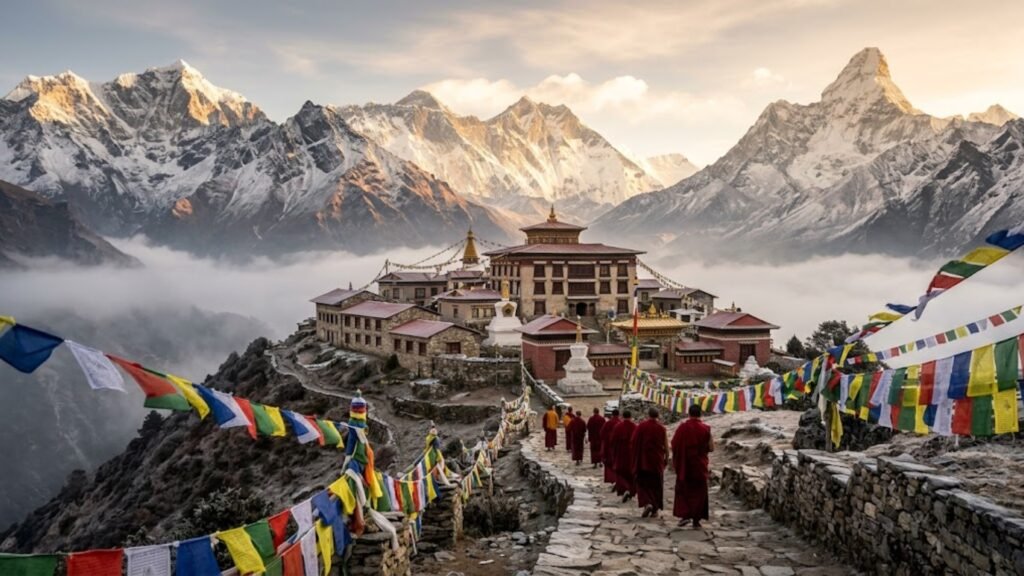
Travelers often visit these places for their beauty, but what makes them unforgettable is their continuity. Monks still chant at dawn. Pilgrims still walk ancient paths. Rituals continue much as they did centuries ago. This is what makes Himalayan travel different from visiting static heritage sites.
For those seeking immersive experiences, exploring Himalayan monasteries still in use offers a rare opportunity to witness living traditions. It is not just sightseeing. It is stepping into a rhythm of life that has endured for generations.
Why Living Heritage Sites Matter in the Himalayas
More Than Monuments
Unlike many historical landmarks around the world, Himalayan religious and fortified structures were never abandoned. They continue to serve their original purpose.
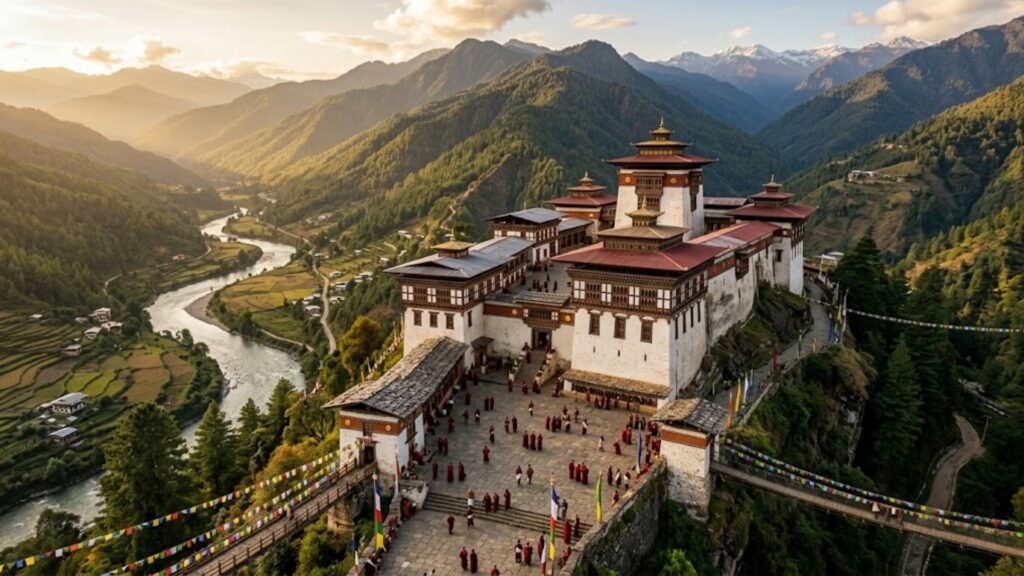
Monasteries function as spiritual centers. Temples remain hubs of devotion. Forts, especially in Bhutan, operate as administrative and religious institutions simultaneously.
This continuity creates a deeper connection between past and present. Visitors do not just see history. They experience it in motion.
Cultural Continuity and Community Life
In remote mountain regions, these structures play a central role in daily life. Festivals, education, governance, and social gatherings all revolve around them.
For example, local communities in Bhutan rely on dzongs for both civic administration and religious ceremonies. In Nepal and India, temples and monasteries act as anchors of identity and tradition.
This makes them essential to understanding Himalayan culture beyond landscapes and adventure.
Himalayan Monasteries Still in Use
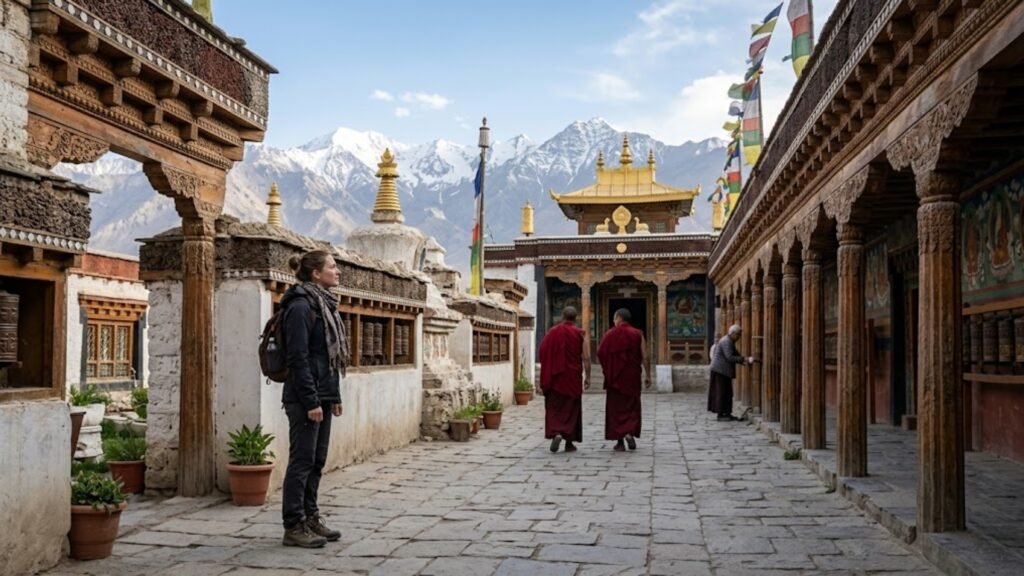
Hemis Monastery, Ladakh, India
Perched in the stark landscape of Ladakh, Hemis Monastery is one of the largest and most important monasteries in the region. It belongs to the Drukpa lineage of Tibetan Buddhism.
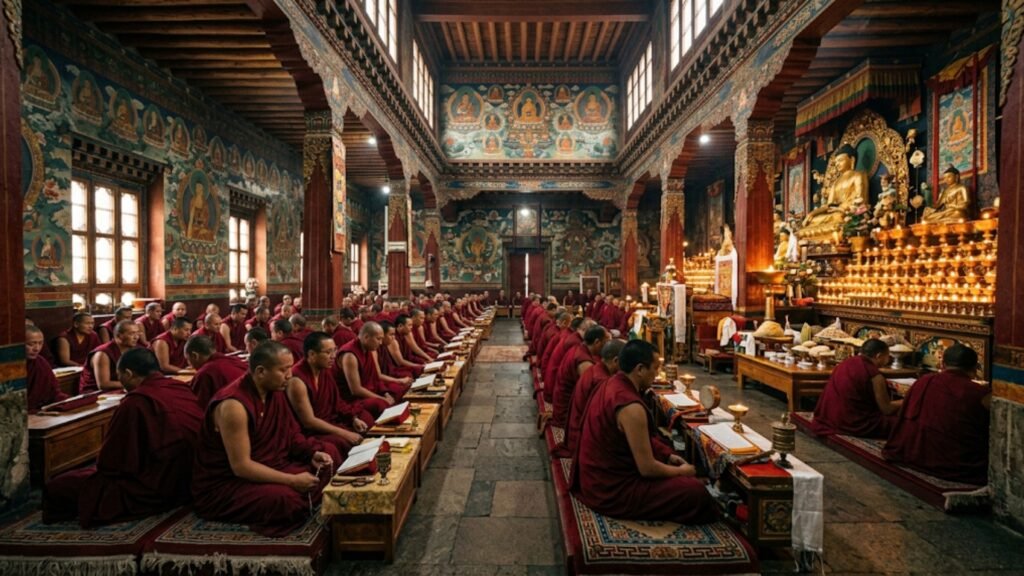
Monks here follow a structured daily routine that includes prayers, meditation, and rituals. Visitors often witness these practices in the main assembly hall.
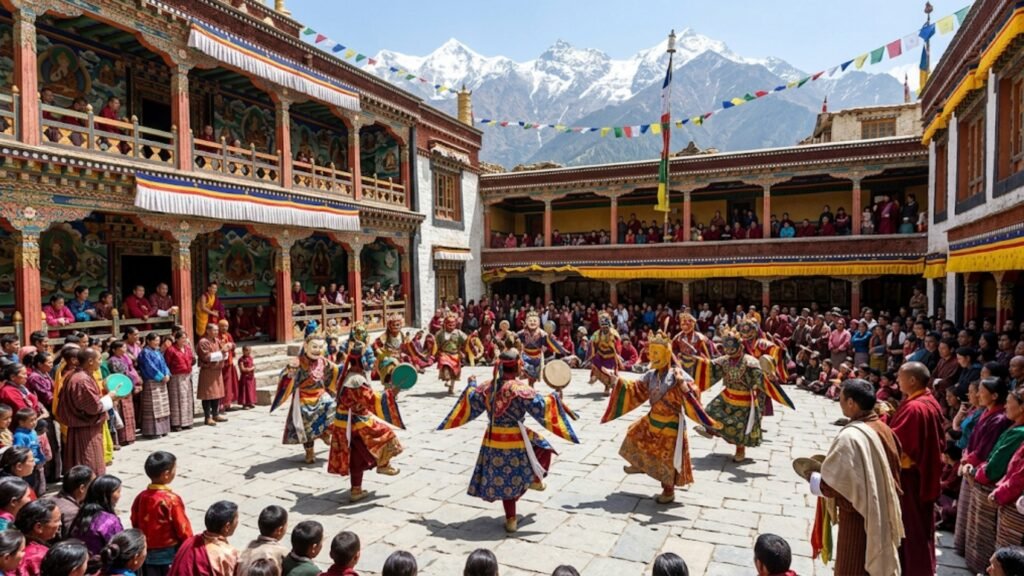
The annual Hemis Festival transforms the monastery into a vibrant cultural space, featuring masked dances and sacred performances. You can learn more about Ladakh’s cultural landscape through the official tourism portal of Ladakh Gov.
Tawang Monastery, Arunachal Pradesh, India
Tawang Monastery stands as the largest monastery in India and one of the most significant in the Himalayan region.
It functions as a major center of Mahayana Buddhism. Hundreds of monks live and study here, maintaining a strong monastic tradition.
Daily rituals, scripture recitations, and teaching sessions continue uninterrupted. The monastery also plays a key role in preserving Tibetan Buddhist culture in Northeast India.
Paro Taktsang (Tiger’s Nest), Bhutan
Clinging dramatically to a cliffside, Paro Taktsang is one of the most iconic monasteries in the world.
Despite its remote location, it remains an active pilgrimage site. Monks and devotees undertake the challenging trek to reach it.
Inside, meditation chambers and shrines continue to be used for spiritual practice. The site holds deep significance in Bhutanese Buddhism.
For more insights into Bhutan’s cultural heritage, the Bhutan Travel provides valuable information.
Kopan Monastery, Kathmandu, Nepal
Located near Kathmandu, Kopan Monastery offers a slightly different experience. It serves as both a traditional monastery and a learning center for international students.
Daily prayers and teachings are open to visitors who wish to understand Buddhist philosophy more deeply.
Its accessibility makes it a popular stop for travelers exploring Himalayan monasteries still in use.
Temples That Continue to Shape Daily Life
Kedarnath Temple, Uttarakhand, India
Set against a dramatic mountain backdrop, Kedarnath Temple is one of the most revered Hindu pilgrimage sites.
Despite extreme weather conditions, the temple continues to host thousands of pilgrims each year. Rituals are performed daily during the open season.
The journey itself is considered a spiritual act, adding to the temple’s significance.
Pashupatinath Temple, Kathmandu, Nepal
Pashupatinath is one of the most important temples dedicated to Lord Shiva.
Located on the banks of the Bagmati River, it is a living temple where daily rituals, cremation ceremonies, and festivals take place.
Visitors witness a powerful blend of spirituality and everyday life, making it one of the most profound cultural experiences in Nepal.
Badrinath Temple, Uttarakhand, India
Another key pilgrimage site, Badrinath Temple remains active despite its high-altitude location.
Priests conduct rituals daily, and pilgrims visit in large numbers during the open months.
The temple plays a central role in the Char Dham pilgrimage circuit, reinforcing its importance in Hindu traditions.
Forts That Still Function as Living Institutions
Punakha Dzong, Bhutan
Punakha Dzong is a stunning example of Bhutanese architecture and governance.
It serves as the administrative center of the Punakha district and also houses monastic institutions.
Religious ceremonies, government functions, and festivals all take place within its walls.
Trongsa Dzong, Bhutan
Strategically located in central Bhutan, Trongsa Dzong has historically been a key political and administrative center.
Even today, it remains active, with monks and officials using the complex regularly.
Its role in Bhutan’s history adds another layer of depth to its ongoing function.
Leh Palace and Fort Complex, Ladakh, India
While parts of Leh Palace are preserved as heritage, the surrounding fort complex still interacts with local religious life.
Nearby monasteries and shrines continue daily practices, linking the fort’s historical significance with present-day spirituality.
Festivals and Rituals That Keep Traditions Alive
Masked Dances and Monastic Festivals
Festivals such as the Hemis Festival in Ladakh and Tshechu festivals in Bhutan bring monasteries to life.
These events are not staged for tourists. They are deeply rooted religious celebrations involving local communities.
Temple Pilgrimages and Seasonal Worship
Pilgrimages to Kedarnath and Badrinath follow seasonal cycles, aligning with weather conditions and religious calendars.
These journeys reinforce faith and cultural continuity across generations.
Responsible Travel in Sacred Spaces
Respect Local Customs
Visitors should dress modestly, follow photography guidelines, and respect ongoing rituals.
Support Local Communities
Choosing responsible tour operators ensures that tourism benefits local populations. Companies like Paroma Travels focus on ethical travel practices and immersive cultural experiences.
You can also explore curated journeys through ParomaTravels for responsible Himalayan travel experiences.
Planning Your Journey Through Living Himalayan Heritage
Best Time to Visit
Spring and autumn offer the best weather for exploring high-altitude regions.
Accessibility and Permits
Some areas, especially in Ladakh and Arunachal Pradesh, require permits. It is advisable to plan in advance.
Guided Experiences
Guided tours enhance understanding by providing cultural and historical context. Consider exploring tailored itineraries like Bhutan Tour Packages or Nepal Tour Packages for deeper insights.
Conclusion
The Himalayas offer more than scenic landscapes. They present a rare chance to experience living heritage.
From Himalayan monasteries still in use to active temples and functioning forts, these sites reveal a continuity that few regions in the world can match.
Traveling through these spaces is not just about exploration. It is about witnessing a way of life that continues to thrive in harmony with tradition.
For travelers seeking meaningful journeys, this is where history truly comes alive.